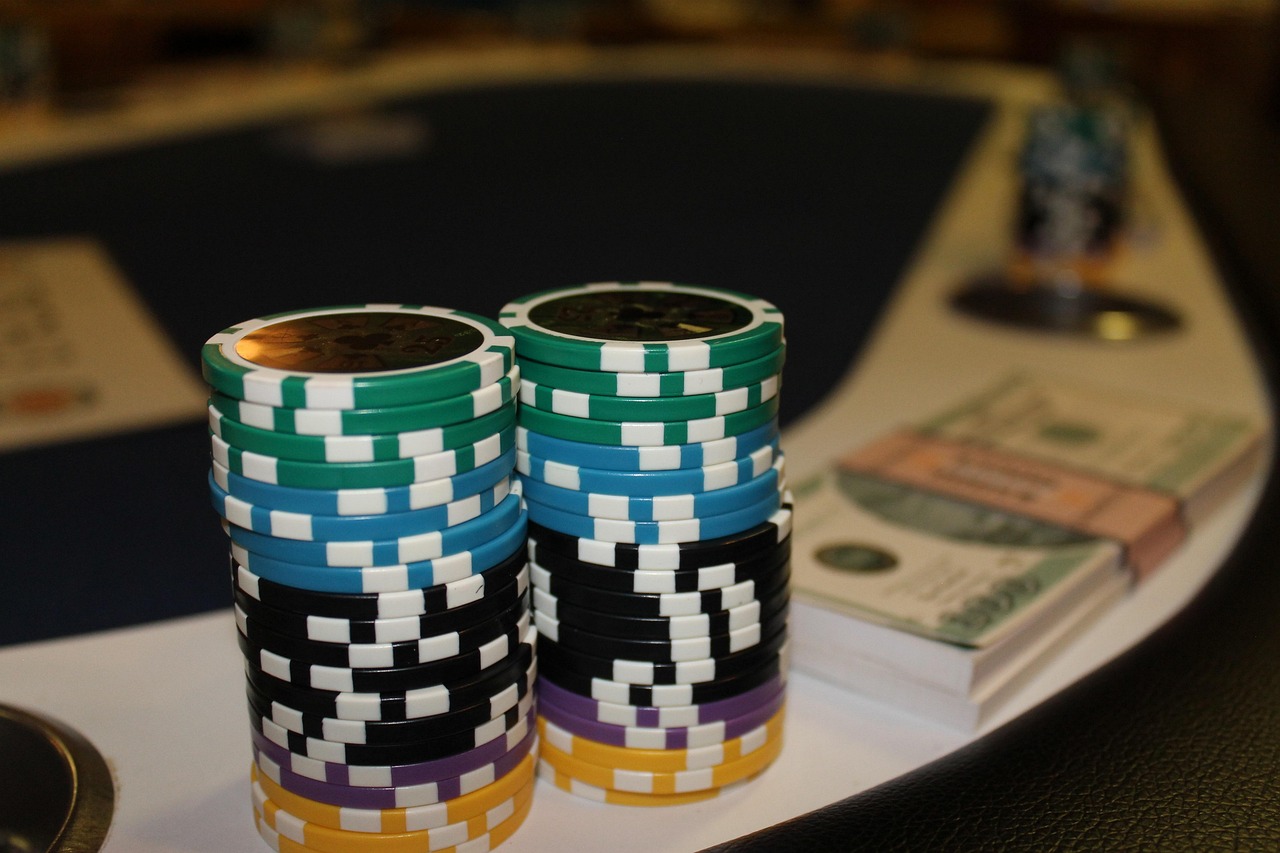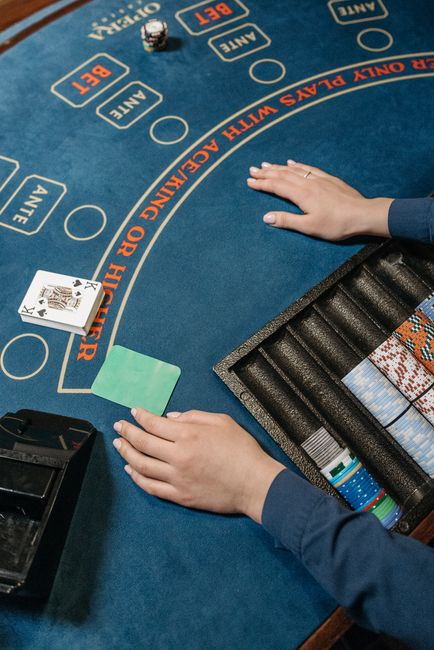
Ask ten iGaming regulars where the smart money goes and you'll get ten different answers, usually delivered with the confidence of someone who just hit a five-figure jackpot. The truth is less romantic: slots, poker, and sports betting are not three flavors of the same game. They are three completely different economic ecosystems, and confusing them is the fastest way to donate your bankroll to people who understand the difference.
Let's break down what actually separates these verticals, where a skilled player can realistically find an edge, and why the casino always wins in some formats but genuinely doesn't in others.
Slots: The House Edge Is the Product
Modern video slots are engineering marvels, but they're also the purest form of gambling on the market. There's no decision-making that changes your expected value. You pick a bet size, hit spin, and watch a random number generator (RNG) decide your fate. That's it.
The key number to understand is Return to Player (RTP). A slot with 96% RTP returns, on average, 96 cents for every dollar wagered over millions of spins. The remaining 4% is the house edge. Sounds small, right? Now consider that online slots can run 500 to 800 spins per hour. At $1 per spin and a 4% edge, you're theoretically losing around $20 to $32 per hour of play. That edge compounds fast.
What matters most when choosing slots:
- RTP rating: Anything below 95% is rough. Some progressive jackpot slots sit at 88% to 92% because the jackpot funds the difference.
- Volatility: High-volatility slots pay rarely but hugely. Low-volatility slots pay often but small. Match this to your bankroll, not your mood.
- Bonus terms: A 100% deposit bonus with a 40x wagering requirement on slots is a trap unless the RTP is generous.
Here's the honest take: slots are entertainment, not investment. If you're playing for the thrill of a bonus round at 2 AM, that's completely fine. Just don't tell yourself you've found a system. 789Win offers a practical breakdown of the topic.
Poker: The Only Vertical Where You Play Against People
Poker is fundamentally different because the house doesn't care who wins. It takes a rake, typically 5% of each pot capped at a few dollars, and steps aside. Your profit comes from other players' mistakes, not from a machine.
This is the crucial distinction. In poker, a skilled player can have a positive expected value over thousands of hands. The edge comes from: You can read more about it on 789 Win.
- Position: Acting last gives you information others don't have.
- Range analysis: Understanding what hands an opponent realistically holds, not just what they're representing.
- Bankroll discipline: Playing stakes where a downswing won't cripple you.
- Game selection: A mediocre player at a soft table beats a great player at a tough one.
But here's what the poker dreamers miss: the modern online ecosystem is brutally tough. Solvers, HUDs, and training tools have raised the baseline skill level enormously. The days of easy money at $1/$2 no-limit hold'em are largely gone. If you're serious, you need to study as much as you play. Recreational players who treat poker like slots will lose just as fast, only slower and with more emotional pain.
A Concrete Example
Player A deposits $500, plays slots at 96% RTP for ten hours, and finishes with around $300 in expected value. Player B deposits $500, plays $0.50/$1 cash games with a 3 big blind per 100 hands win rate, and grinds out maybe $15 to $30 profit over the same period. Neither outcome is guaranteed, of course, but the underlying math favors Player B significantly. Variance still rules the short term, which is exactly why bankroll management exists.
Sports Betting: Information Beats Luck
Sports betting sits somewhere between poker and slots in terms of edge potential. The bookmaker builds a margin into every line, typically 4% to 8% on a standard two-way market. But lines are opinions, not facts, and sometimes those opinions are wrong.
Sharp bettors make money by identifying lines that are mispriced relative to true probability. This requires:
- Specialization: Pick one or two leagues and know them deeply. A generalist loses to a specialist in the long run.
- Line shopping: The difference between -105 and -115 on the same bet is massive over hundreds of wagers.
- Closing line value (CLV): If you consistently beat the closing line, you're probably profitable long-term, even if short-term results look ugly.
- Bankroll units: Flat betting 1% to 3% of your roll per wager keeps variance survivable.
The trap for recreational bettors is parlay culture. A five-team parlay at +2500 feels like a lottery ticket and pays like one. The bookmaker's margin multiplies with each leg, sometimes pushing the effective house edge above 20%. Single bets, or at most two-leg parlays, are far more intelligent plays.
The Renaissance of Live Casino and Crash Games
One trend worth mentioning is the explosive growth of live dealer games and crash-style titles like Aviator and Mines. These hybrid formats blend the social appeal of poker with the simplicity of slots. Live blackjack and roulette now offer RTP figures competitive with their digital counterparts, and the streamed interaction adds a layer of engagement that pure RNG slots can't replicate.
Crash games, meanwhile, are interesting because players choose when to cash out. In theory, there's a skill element in reading multiplier patterns. In practice, each round is provably random, and the house edge sits around 1% to 4% depending on the crash point. They're fun, but they are not a strategy game.
Where Should Your Money Actually Go?
If you want pure entertainment with zero expectation of profit, slots are fine but set a hard loss limit before you start. If you're willing to study, poker offers the only genuine long-term edge in the casino ecosystem. If you follow sports closely and treat it like a data project rather than a fan activity, sports betting can be profitable too, though it demands patience.
What you should never do is mix these mentalities. Don't chase slot losses with poker hero calls. Don't bet your rent money on a three-leg parlay because you "feel" a win. Don't tell yourself you're a professional poker player when you're really playing to feel something.
The iGaming industry is built on the fact that most players can't separate entertainment from expectation. The players who last longest, and often profit, are the ones who understand exactly which game they're sitting at and why. Control the variables you can control, accept the ones you can't, and never wager money you wouldn't happily spend on a mediocre dinner. Everything else is noise.