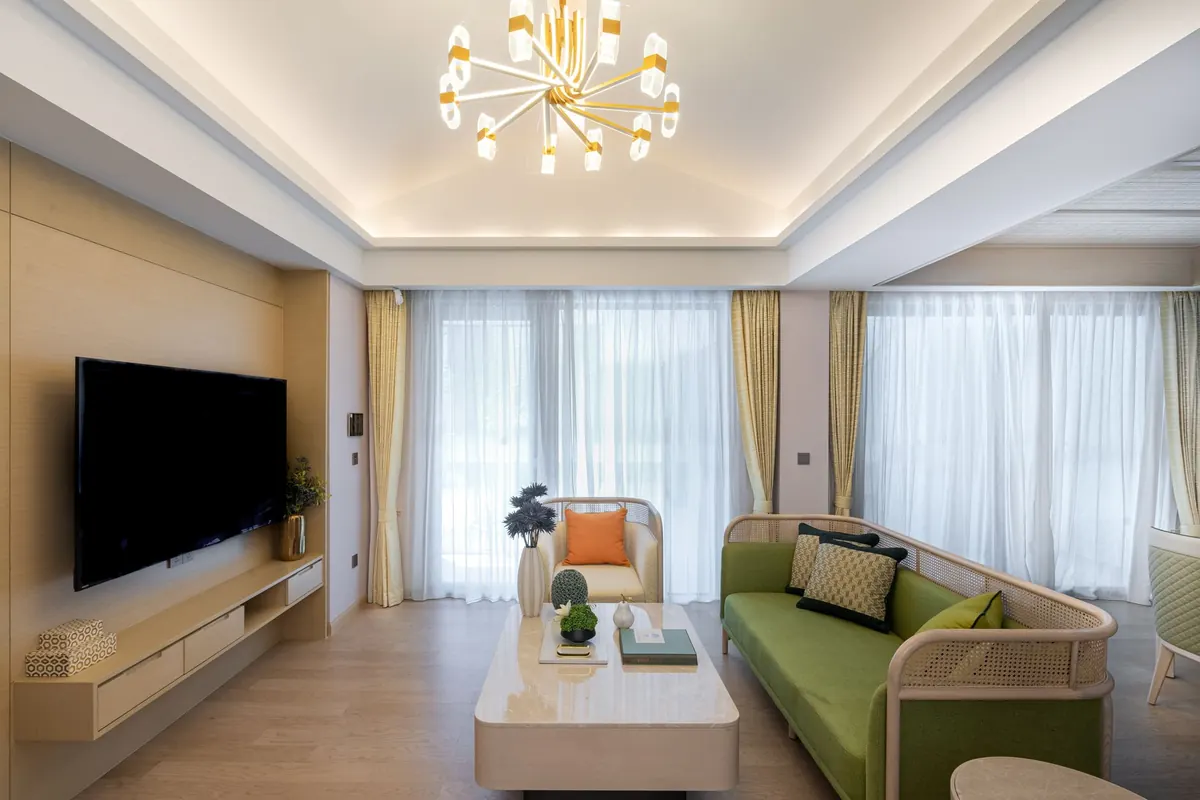
Flip on a lamp in a room and you get more than brightness. You get a mood. The bulb you choose changes how colors look, how cozy the space feels, and how alert you feel inside it. Color temperature is the dial behind that difference. Once you understand it, lighting your home gets much simpler.
What Color Temperature Really Measures
Color temperature describes the tint of white light, measured in kelvin (K). It doesn't measure brightness; that's lumens. A 2700K bulb and a 5000K bulb can both be 800 lumens, but they will feel completely different. Lower kelvin numbers look warmer—yellow, amber, candlelike. Higher numbers look cooler—white, blue-tinged, more like noon sky. Incandescent and halogen bulbs naturally sit around 2700K–3000K. LEDs can be made in almost any temperature, which is why labels matter.
One quick check: look at the bulb's packaging for a Kelvin number or words like soft white, warm white, bright white, cool white, or daylight. Those words vary by brand, so the Kelvin number is the reliable guide.
Warm White: 2700K to 3000K
Warm white is the classic home glow. It flatters skin tones, makes wood and fabric feel richer, and helps a room settle down at night. If you want a living room to feel welcoming or a bedroom to feel restful, start here. Use warm white in table lamps, bedside lamps, floor lamps, pendant lights over a dining table, and most ceiling fixtures in living and sleeping areas.
Watch out for warm white in task-heavy spots. In a kitchen, 2700K under-cabinet lights can make chopping vegetables feel dim and muddy, even when the bulb is bright. Warm light is cozy, but it isn't always clear. For close work, consider 3000K warm white or a neutral tone instead.
Cool White: 4000K to 5000K
Cool white feels crisp, alert, and clean. It's common in kitchens, bathrooms, laundry rooms, garages, and home offices. The whiter light helps you see details: food prep, makeup, paperwork, stains on a counter, the edge of a stair. In a bathroom, 4000K around the mirror can make grooming easier than 2700K, which may cast a yellowish haze.
Cool white can feel clinical in the wrong place. A 5000K bulb in a bedroom lamp often reads harsh and can make a cozy evening feel like a waiting room. If you want the clarity of cool white without the chill, look for 3500K–4000K and put it on a dimmer. Also check the bulb's Color Rendering Index (CRI). A CRI of 90 or higher helps colors look true, especially with cool light.
Neutral White and Daylight: The Middle and the Extreme
Neutral white, often around 3500K–4100K, sits between warm and cool. It's a practical choice for hallways, closets, stairwells, kitchens, and workspaces where you want neither a golden glow nor an icy edge. Daylight bulbs, usually 5000K–6500K, mimic overcast daylight. They can be useful in a workshop, craft room, or garage, but they are rarely flattering in living spaces. In bedrooms and dining rooms, daylight bulbs tend to flatten the mood and make warm finishes look gray.
If you're unsure, buy one bulb at 3000K and one at 4000K, put them in the same fixture one at a time, and live with each for an evening. Your reaction will tell you more than a label.
Room-by-Room Guide
Use this as a starting point, then adjust to your taste and the room's finishes. Paint colors, wood tones, and window light all change how a kelvin temperature reads.
- Living room: 2700K–3000K in lamps and ceiling fixtures. Add a 3000K–3500K floor lamp near a reading chair if you need sharper light.
- Bedroom: 2700K for bedside and overhead. Keep bright cool white out of the bedroom; if you need task light, use a small 3500K lamp you can aim away from the bed.
- Dining room: 2700K–3000K over the table. It makes food and faces look warm and inviting.
- Kitchen: 3000K–4000K overall, with 4000K under cabinets for chopping and reading recipes. If your kitchen has no daylight, 4000K can keep it from feeling gloomy.
- Bathroom: 3000K–4000K. Use 4000K at the mirror and 3000K elsewhere if you want a softer feel.
- Home office: 3500K–5000K for focused work. Warm 2700K can make you sleepy during the day; cool light can keep you alert.
- Hallways, stairs, closets: 3000K–4000K. You want clear light without a cave-like glow.
- Garage, workshop, utility room: 4000K–5000K. Crisp light helps with tools, labels, and details.
How to Choose Without Buying Twice
Start with the fixture, not the bulb. A shaded table lamp, an open glass pendant, and a recessed ceiling can all make the same kelvin rating look different. Then check three things on the package:
- Kelvin (K): the tint of the light. Lower is warmer, higher is cooler.
- Lumens: the amount of light. Don't confuse this with watts, which is energy use.
- Dimmability: if the fixture has a dimmer, make sure the bulb says dimmable. Otherwise you may get flicker or buzz.
Also match temperatures within a room. Mixing 2700K and 5000K bulbs in the same open-plan space creates odd patches of color. If you have an open kitchen and living room, choose 3000K or 3500K as a compromise, then use lamps to warm up the seating area. And when replacing bulbs in a multi-bulb fixture, replace them all at once if possible; LEDs can shift slightly with age, and mixed batches may not match perfectly.
Finally, consider your evening routine. Warm light helps signal that the day is winding down. Cool light helps you see and stay focused. You don't need a laboratory; you need a few deliberate choices.
A Simple Plan for Your First Switch
Buy one 2700K or 3000K bulb for a living room or bedroom lamp. Buy one 4000K bulb for the kitchen or bathroom. Try them in the rooms where you spend the most time, and notice how the room feels at 7 a.m. and 9 p.m. If a cool bulb feels too stark, move down to 3500K. If a warm bulb feels too yellow for a task, move up one step. Once you find the temperatures that work, write them on the inside of a cabinet or keep a note on your phone. The next bulb run will be quick, and your home will feel more intentional room by room.
Photo: Riki Risnandar / Pexels